
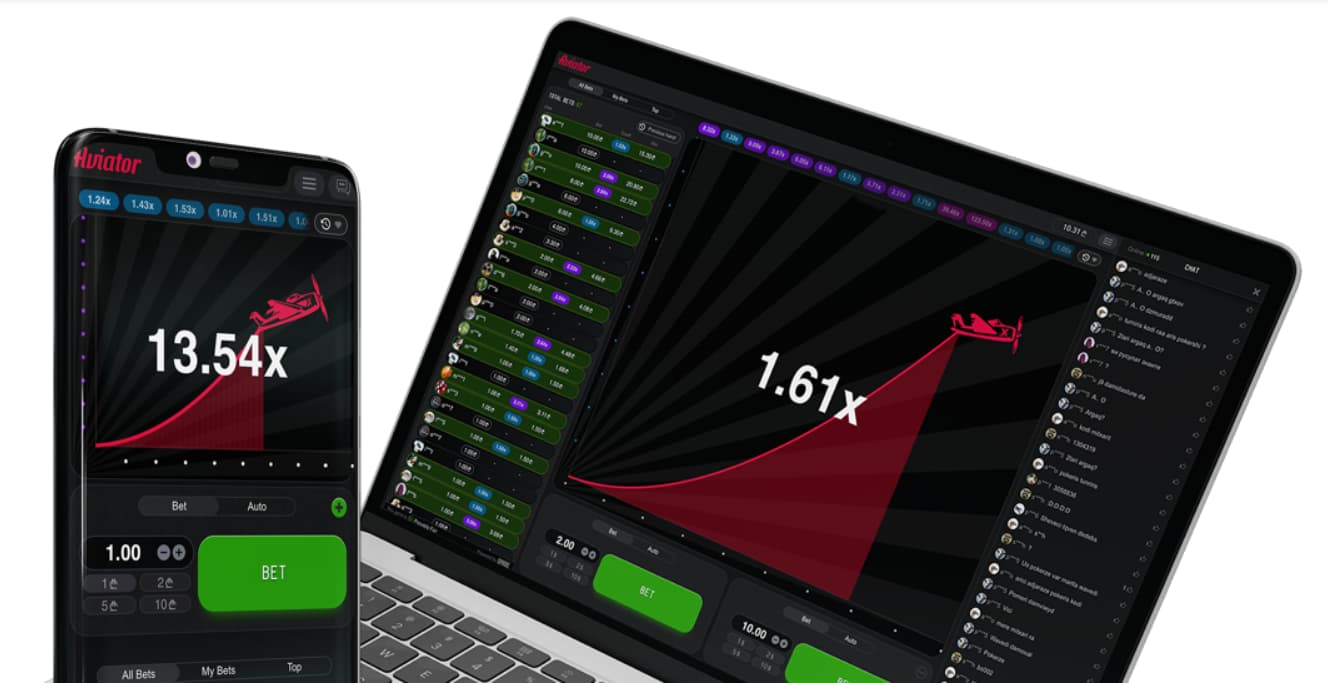
The world of online casinos is constantly evolving. In recent years, a new category of games has emerged and quietly started changing the way people play. These are crash games. Simple in concept, extremely fast-paced, and surprisingly engaging from a psychological perspective, they attract millions of players and draw attention away from traditional slots that until recently dominated the online gambling market. As a result, crash games have become one of the most noticeable developments in online gambling, offering players speed, excitement, and simplicity.
How They Differ from Classic Slots
Crash games take a completely different approach to gameplay compared with what players know from traditional slot games. Slots are passive: you spin the reels, the random number generator determines the outcome, and the symbols display the result. In crash games at https://pl.polskiesloty.com/yep-casino-opinie/, every round requires the player to make an immediate decision. Below is a comparison of the most important differences:
| Feature | Crash games | Classic slots |
| Player decision-making | Active (cashout timing) | Passive (spin and wait) |
| Round duration | 10–30 seconds | 5–15 seconds |
| RTP (typical) | ~97% (e.g. Aviator) | 92–96% |
| Perceived volatility | Intense, emotional | More controlled |
| Social element | Live rankings, public bets | Usually solo play |
| Difficulty level | Very low | Low to medium |
This comparison clearly shows why many players, especially younger ones, feel they have more control when playing crash games. The impression that cashout timing matters creates a type of excitement that classic slots, which rely entirely on random number generators, simply cannot provide in the same way.
Mechanics That Keep Players Engaged
Crash games are based on a very simple structure. The multiplier starts at 1x and begins to rise:
- Players place a bet.
- They watch the multiplier increase.
- They must cash out before the round ends in a crash.
If you cash out in time, you win. If you wait too long, you lose everything. And that is essentially the entire concept. No bonus rounds, no paylines, and no scatter symbols. The first games of this type appeared around 2017, but the real breakthrough came with Aviator by Spribe. By early 2025, the number of active players had increased from 12 million in 2022 to 42 million, while the number of bets exceeded 400,000 per minute. Today, the game is available at more than 5,000 online casinos worldwide.
Numbers That Show the Scale of the Trend
Crash games attract attention with simple rules, fast gameplay, and a feeling of constant action. This combination of high pace, short rounds, and easy accessibility has helped the format gain popularity very quickly across online casinos. The data clearly shows that the rise of crash games is more than a temporary trend:
- Crash games already account for 35% of all mobile casino sessions worldwide;
- Up to 60% of online casinos have added them to their game libraries;
- The global online gambling market was worth more than $95 billion in 2024 and may exceed $185 billion by 2033;
- High Flyer by Pragmatic Play is the most popular crash game in Europe, with a content share of 20,224;
- Operators that introduced Aviator report at least a 10% increase in revenue.
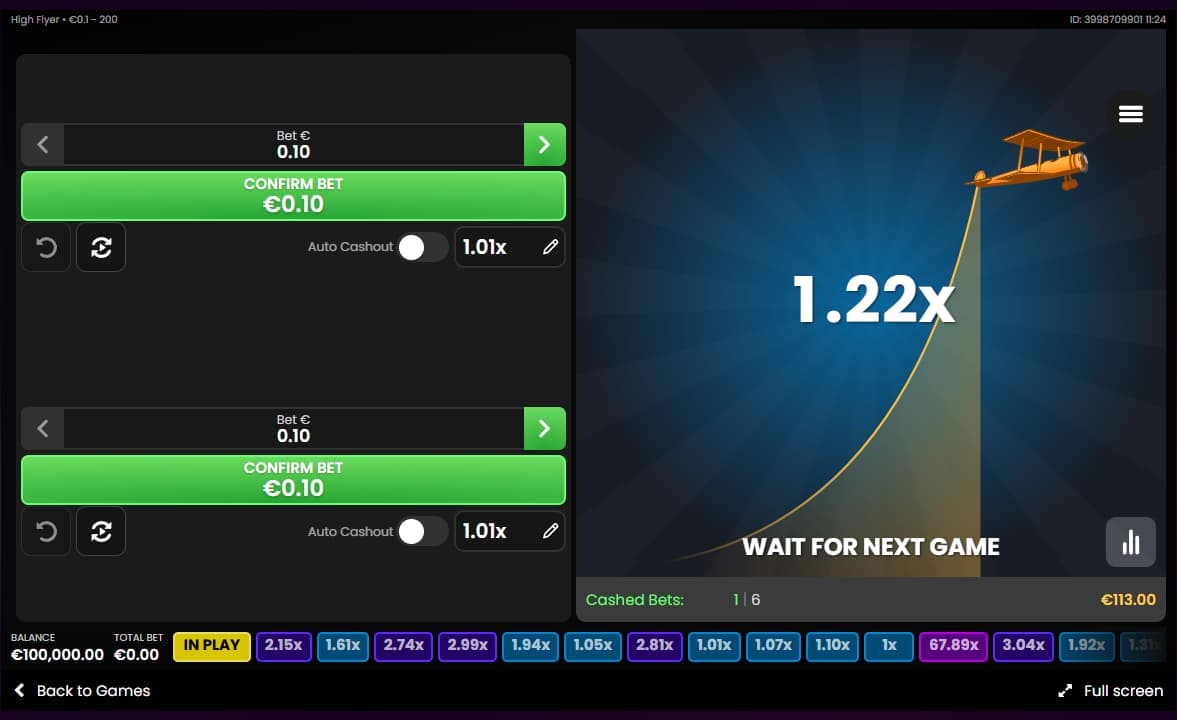
These are not minor changes. They are a clear sign that the way players use online casinos is changing.
Why Poland Is Paying Attention
The Polish iGaming market is one of the most dynamic in Central and Eastern Europe. In 2024, gross online gaming revenue (GGR) reached €900 million, representing year-on-year growth of 25%. The casino gaming segment is expected to grow at an annual rate of 7.01% through 2029.
It is also important to consider the legal framework: in Poland, legal online casino games, including slots and technically also crash games, may only be offered by Totalizator Sportowy. Private operators can operate in the sports wagering sector but not in online casino gaming. The Ministry of Finance enforces these rules through domain blocking and payment restrictions, including BLIK, which is used by around 80% of users on legal platforms. This makes interest in crash-game mechanics particularly relevant for both regulators and players.
The Psychology That Slots Do Not Offer
The main reason behind the growing popularity of crash games lies in psychology. Slots create distance because the outcome is completely outside the player’s control. Crash games introduce a moment of choice. Players who cash out early may feel they made a smart decision. Those who wait too long may feel that they made a specific mistake.
This mechanism, strengthened by FOMO, or the fear of missing out, and by watching other players make decisions in real time, makes each session short but highly intense. The social element also plays an important role. Seeing other users’ bets and cashouts transforms a solo game into something closer to a shared live event.
Summary: Are Slots Becoming a Thing of the Past?
Definitely not. Slots still dominate in terms of the number of available games and overall variety, from licensed titles to complex story-driven bonus features. For operators, the most effective approach is to combine both formats. Data suggests that players do not stop playing slots after discovering crash games. Instead, they tend to use them as an additional option, particularly during short mobile sessions.
Crash games have nevertheless proven one important point: simplicity, speed, and a sense of control can compete effectively with the long-established slot format. In a world where user time and attention matter more than ever, a 20-second round with a rising multiplier and a social element is difficult to ignore.